
Foiling Bali travel guide covering foil spots, lessons, safety tips, rentals, and real-world advice for planning a complete Bali foil trip.
Introduction: Why Foiling Bali Is More Than Just a Surf Trip
Bali has long been a pilgrimage site for surfers, freedivers, and wave chasers. But over the last decade, it has quietly evolved into one of the most diverse and technically interesting foiling destinations in the world. Today, foiling Bali is no longer a niche concept—it’s a fully developed ecosystem that includes surf foiling, tow foiling, e-foil experiences, structured hydrofoil lessons, and international-level foil schools.
What makes Bali unique is not just the quality of its waves or the beauty of its beaches. It’s the combination of warm water, predictable conditions, affordable coaching, and access to multiple foil disciplines within a single trip. In very few places can a rider progress from flatwater hydrofoil control to reef-based surf foiling—and even experiment with tow-in foiling—without leaving the island.
This guide is designed for riders who don’t want vague inspiration. It’s for those who want clear answers:
-
Where should you foil in Bali based on your real skill level?
-
Should you take lessons or go independent?
-
Is renting gear worth it—or should you bring your own system?
-
How safe is foiling around reefs, crowds, and boats?
-
How do experienced riders structure a Bali foil travel itinerary?
By the end of this guide, you’ll understand not just where to foil in Bali, but how to get the most progression, value, and water time from your trip.
Why Foiling Bali Has Become a Global Foil Destination
Unlike many foil destinations that excel in only one discipline, Bali supports multiple forms of foiling year-round. This versatility is the foundation of its global appeal.
Consistent Conditions and Water Temperature
Bali’s water temperature averages 26–29°C (79–84°F) throughout the year. This eliminates the fatigue and stiffness that cold-water foiling often causes, especially during long sessions. Riders can stay on the water longer, which directly accelerates skill development.
Wind is not the main driver for foiling Bali. Instead, ocean energy, tidal flow, and swell consistency define riding opportunities. This makes Bali especially attractive to surf foil and tow foil riders who want predictable wave energy without extreme weather dependency.
A Rare Mix of Flatwater and Wave Environments
Within short travel distances, Bali offers:
-
Sheltered flatwater lagoons
-
Gentle rolling waves for learning
-
Powerful reef breaks for advanced surf foiling
-
Open-water access for tow foiling
This diversity allows riders to choose spots based on skill—not ego.
This is one of the main reasons experienced travelers recommend Bali not just as a vacation, but as a training destination.

Understanding Foil Disciplines Before You Travel to Bali
One of the most common mistakes travelers make is arriving in Bali with a blurred idea of what “foiling” actually means. In reality, Bali supports several distinct foil disciplines, each with different skill requirements and risk profiles.
Understanding these differences before you book lessons or choose locations will save you time, money, and frustration.
Surf Foiling in Bali: The Core Discipline
Surf foiling is the most widespread discipline on the island. It involves paddling or assisted entry into waves, then riding the foil across unbroken swell and wave energy.
Why Bali works so well for surf foiling:
-
Consistent swell direction
-
Long wave periods
-
Clean reef-generated wave faces
However, Bali’s reef breaks also introduce real consequences. Shallow reefs demand:
-
Precise foil control
-
Reliable pumping technique
-
Strong situational awareness
This is why beginners are strongly advised to start in protected zones like Sanur, rather than iconic reef breaks.
Tow Foiling: The Fastest Way to Access Advanced Waves
Tow foiling uses a jet ski or boat to pull riders into waves that are otherwise impossible—or unsafe—to paddle into. Bali has become increasingly well known for this discipline.
The Bali tow foiling experience attracts advanced riders seeking:
-
Larger swell
-
Faster wave entry
-
High-speed foil lines
Tow foiling is not beginner-friendly, but Bali’s infrastructure makes it more accessible than in many other regions.
This is where professional operators such as ulufoil bali surf foil tow in & school come into play, offering structured access rather than risky experimentation.
E-Foil Experiences: Controlled Entry for First-Time Foilers
For complete beginners or travelers with limited time, Bali e-foil experience programs provide a low-barrier introduction to hydrofoiling.
E-foil sessions are typically:
-
Short (30–60 minutes)
-
Conducted in flatwater
-
Closely supervised
While e-foils do not replace surf foil skill development, they offer something valuable:
instant foil awareness.
Many riders who later progress to surf foiling report that early e-foil sessions significantly shortened their learning curve.

Foiling Bali vs Other Foil Destinations: What Sets It Apart
To understand why foiling Bali continues to grow, it helps to compare it with other popular foil locations.
| Destination | Water Temp | Discipline Variety | Cost of Coaching | Accessibility |
|---|---|---|---|---|
| Hawaii | Warm | Surf / Tow | High | Moderate |
| Europe (Atlantic) | Cold | Surf / Wing | Moderate–High | Seasonal |
| Australia | Variable | Surf | Moderate | Location-dependent |
| Bali | Warm | Surf / Tow / E-Foil | Affordable | High |
What truly differentiates Bali is value density—how much progression, experience, and water time you get per day spent on the island.
What Riders Actually Want From a Bali Foil Trip
Based on rider feedback and travel behavior, most people come to Bali seeking one of three outcomes:
-
Accelerated learning
-
Access to conditions unavailable at home
-
A safe but challenging environment
The mistake is trying to achieve all three at once.
A smarter approach is to design your trip around one primary goal, then let the others support it.
This is why experienced riders often:
-
Start with lessons
-
Ride protected spots first
-
Gradually expand into more demanding conditions

A Note on Equipment: Why Travel Foilers Think Differently
Travel exposes gear weaknesses faster than local riding.
In Bali, riders quickly notice:
-
Inefficient foils struggle in weaker swell
-
Heavy setups increase fatigue in long sessions
-
Poor modularity complicates repairs and transport
This is why many experienced foilers prefer modular, adaptable systems—not necessarily the lightest or most aggressive designs.
Brands like ASUFUN quietly appeal to this mindset by focusing on:
-
Compatibility with different boards
-
Balanced efficiency over raw speed
-
Systems that grow with rider progression
In a travel context, reliability and flexibility matter far more than peak performance numbers.
Bali Foil Spots Guide: Why Spot Selection Matters More Than Skill
In foiling, location choice often matters more than talent.
Bali is frequently misunderstood by first-time visitors. Many riders assume that if they can surf or foil elsewhere, they can simply show up at any famous Bali beach and succeed. In reality, Bali’s foil spots vary dramatically in terms of:
-
Water depth
-
Reef structure
-
Wave energy
-
Boat traffic
-
Crowd density
Choosing the wrong spot doesn’t just slow progression—it increases risk and often shortens your sessions.
A proper Bali foil spots guide must therefore be built around skill-based decision-making, not popularity or Instagram exposure.
Sanur: The Foundation of Foiling Bali
Sanur is widely regarded as the most beginner-friendly hydrofoil location in Bali, and for good reason.
Why Sanur Works So Well
-
Protected lagoon environment
-
Minimal swell impact
-
Sand-bottom sections mixed with deeper reef
-
Controlled boat lanes
This combination creates a forgiving learning environment where riders can focus on:
-
Balance
-
Foil lift control
-
Pumping technique
Sanur is also the center of most Sanur hydrofoil lessons Bali, making it easy to find structured instruction, safety support, and rescue availability.
Unlike reef-heavy west coast spots, Sanur allows riders to fall safely—an underestimated factor in early foil progression.

What Sanur Is (and Is Not)
Sanur is ideal for:
-
First-time hydrofoil riders
-
Early surf foil learners
-
E-foil experiences
-
Skill consolidation
Sanur is not ideal for:
-
High-speed surf foiling
-
Large-wave tow foiling
-
Advanced carving practice
This distinction matters. Riders who stay too long in Sanur often plateau, while those who skip it entirely often struggle unnecessarily.
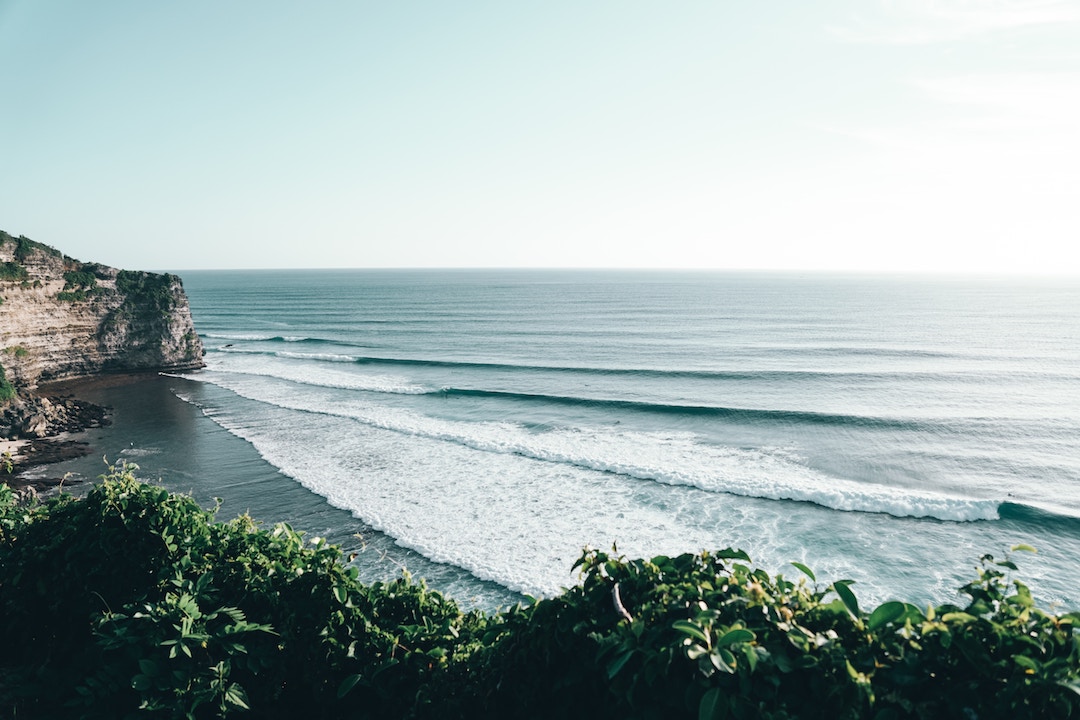
Uluwatu Region: Advanced Surf Foiling Territory
The Uluwatu area represents the opposite end of the spectrum.
This coastline is famous for its:
-
Powerful reef breaks
-
Long-period swell
-
Precise takeoff zones
It is here that ulufoil bali surf foil tow in & school operates, specifically because these conditions demand structured access and professional oversight.
What Makes Uluwatu Challenging
-
Shallow coral reefs
-
Fast-moving wave faces
-
Narrow entry windows
-
Strong currents
For surf foiling, this environment requires:
-
Confident paddling or tow-in entry
-
Stable foil pitch control
-
Advanced wave-reading skills
Uluwatu is not a learning spot. It is a performance environment.
Tow Foiling Zones: Accessing Bali’s Hidden Potential
Tow foiling unlocks areas that are otherwise unreachable—or unsafe—by paddle.
The Bali tow foiling experience typically occurs offshore or near deeper reef channels where wave energy is strong but inconsistent for paddling.
Why Tow Foiling Exists in Bali
-
Swell size varies daily
-
Some waves break too fast for paddling
-
Certain reef structures favor speed-based entry
Tow foiling allows riders to:
-
Enter waves earlier
-
Maintain safer distances from reefs
-
Focus on foil lines instead of takeoff survival
However, tow foiling dramatically raises the stakes. Professional operation is not optional—it is essential.
Best Foil Surf Beaches Bali: A Reality Check
Many beaches in Bali are world-famous—but fame does not equal foil suitability.
When evaluating the best foil surf beaches Bali, experienced riders look for:
-
Consistent shoulder-high waves
-
Moderate reef depth
-
Clean exit channels
-
Predictable lineups
Some iconic surf beaches are poor foil locations due to crowding, shallow reefs, or unpredictable wave peaks.
This is why experienced guides emphasize spot-specific timing, not just location.

Crowds, Boats, and Local Etiquette
One of the most underestimated challenges in foiling Bali is shared water space.
In popular areas, foilers must coexist with:
-
Surfers
-
Fishermen
-
Dive boats
-
Snorkeling tours
Understanding right-of-way rules and local etiquette is not optional—it is part of staying safe.
Professional schools incorporate this into training, which is one reason structured lessons outperform self-guided attempts in busy zones.
Lessons vs Independent Riding: Making the Right Call
Many travelers ask whether lessons are “worth it.”
The honest answer depends on:
-
Your experience level
-
Your time constraints
-
Your tolerance for risk
For first-time foilers, Sanur hydrofoil lessons Bali consistently outperform solo practice in terms of:
-
Faster lift control
-
Reduced injury risk
-
Better long-term technique
Advanced riders often use lessons selectively—to access tow foiling zones or refine specific skills.
Equipment Reality at Bali Spots
Rental gear in Bali is functional but rarely optimized.
Common limitations include:
-
Generic foil profiles
-
Heavy boards
-
Limited tuning options
This is where experienced travelers often prefer to bring their own modular systems, especially when moving between flatwater and wave environments.
ASUFUN’s systems, for example, appeal to riders who value:
-
Transport efficiency
-
Multi-condition compatibility
-
Controlled assist for marginal days
Again, this is not about replacing skill—but maximizing water time.
Hydrofoil Board Rental Bali: What You Really Get
Many travelers arrive in Bali assuming that hydrofoil board rental Bali options will be similar to those in Europe or North America. The reality is more nuanced.
What Most Rental Setups Look Like
Typical rental packages include:
-
Mid-volume foil boards (often well-used)
-
Aluminum mast systems
-
Large, stable front wings
-
Basic protective gear
These setups are designed for durability and broad usability, not performance optimization.
For first-time riders, this is perfectly acceptable. But intermediate and advanced foilers often notice limitations quickly:
-
Slower acceleration
-
Higher drag at speed
-
Reduced responsiveness in turns
Rental gear prioritizes survivability, not progression.

When Renting Makes Sense — and When It Doesn’t
Renting is a smart choice if:
-
You are trying foiling for the first time
-
You plan only 1–2 sessions
-
You want to avoid airline transport issues
Bringing your own gear becomes worthwhile if:
-
You plan multiple sessions
-
You ride different conditions (flatwater + waves)
-
You care about fine-tuned foil response
This is where modular systems quietly outperform fixed setups. Travelers who bring adaptable equipment can adjust mast length, foil size, or even assistance systems based on daily conditions.
This adaptability is one reason experienced riders increasingly favor brands like ASUFUN, whose systems are designed around real-world usage rather than showroom specs.
Foil Surf School Bali Rates: What Are You Actually Paying For?
Pricing varies widely, and misunderstanding foil surf school Bali rates is a common source of disappointment.
Typical Price Ranges (2024–2025)
-
Intro e-foil session (30–60 min): moderate entry cost
-
Beginner surf foil lesson (1.5–2 hours): mid-range
-
Tow foiling session (boat + instructor): premium
What matters is not the hourly rate, but what’s included.
What Quality Schools Include
Professional foil schools typically provide:
-
Safety briefings
-
Spot selection based on conditions
-
Rescue support
-
Equipment tuning
-
Progressive lesson structure
This is especially true for operators like ulufoil bali surf foil tow in & school, which focus on controlled access rather than volume tourism.
Cheap lessons often cut corners in:
-
Rescue availability
-
Instructor-to-student ratio
-
Spot choice
In foiling, these compromises directly impact safety.

Sanur Hydrofoil Lessons Bali: Why They Deliver Results
Sanur-based instruction has earned a strong reputation because it aligns environment + method + equipment.
Lessons typically focus on:
-
Controlled starts
-
Consistent foil lift
-
Early pumping fundamentals
-
Directional stability
The flatwater environment allows instructors to:
-
Correct mistakes immediately
-
Reduce wipeout frequency
-
Build confidence quickly
This efficiency explains why many riders choose Sanur lessons even if they plan to surf foil elsewhere later in their trip.
Bali E-Foil Experience: Worth It or Not?
A Bali e-foil experience is often dismissed by traditionalists—but that’s a mistake.
E-foil sessions provide:
-
Immediate foil balance awareness
-
Understanding of pitch control
-
Reduced cognitive load
For travelers with limited time, e-foiling can compress days of learning into a single session.
However, e-foils should be viewed as:
-
A learning accelerator
-
Not a replacement for surf foiling
Experienced riders often use e-foils for:
-
Recovery days
-
Flatwater sessions
-
Teaching companions
Bali Foil Surf Safety Tips: What Actually Matters
Foiling Bali is safe only if you respect the environment.
Real Safety Considerations
-
Reefs: shallow coral requires consistent foil height control
-
Crowds: unpredictable movement patterns
-
Boat traffic: especially near Sanur and tow zones
-
Fatigue: warm water hides exhaustion
Most accidents occur when riders:
-
Push conditions late in sessions
-
Ignore changing tides
-
Overestimate skill in new environments

Bali Water Sports Travel Tips That Foilers Overlook
Experienced foilers plan differently than casual tourists.
Key Bali water sports travel tips include:
-
Schedule foiling early in the day
-
Leave buffer days for recovery
-
Avoid overpacking rigid gear
-
Plan sessions around tides, not clocks
Hydration, sun exposure, and rest directly affect reaction time—critical in foil control.
Designing a Realistic Bali Foil Travel Itinerary
A successful Bali foil travel itinerary balances water time with recovery.
Example: 7-Day Foil-Focused Trip
-
Day 1: Arrival + light e-foil or observation
-
Day 2: Sanur hydrofoil lessons
-
Day 3: Independent flatwater sessions
-
Day 4: Rest / alternative activities
-
Day 5: Advanced surf foil or tow foiling
-
Day 6: Free ride or coaching refinement
-
Day 7: Light session + departure
This structure reduces injury risk and maximizes progression.
Equipment Strategy for Travel Foilers
Many travelers discover that their home setup doesn’t translate perfectly to Bali.
Travel-friendly systems prioritize:
-
Durability
-
Modularity
-
Broad condition range
This is where ASUFUN’s approach becomes relevant—not as a shortcut, but as a tool for consistency across environments.
Riders using adaptable systems often:
-
Ride more days
-
Adjust to marginal conditions
-
Maintain technique under fatigue
A Practical Decision Checklist Before You Book Your Bali Foil Trip
Before committing to foiling Bali, experienced riders run through a simple internal checklist. This prevents disappointment and mismatched expectations.
Ask yourself honestly:
-
Can I maintain stable foil height without overcorrecting?
-
Am I comfortable falling in shallow or mixed reef environments?
-
Do I want instruction, experience, or progression?
-
Am I traveling solo or with non-foiling companions?
-
Do I expect to ride daily—or only a few high-quality sessions?
If your answers lean toward learning and progression, Bali delivers exceptional value.
If your goal is purely high-performance, empty-lineup surf foiling, expectations should be adjusted.
Frequently Asked Questions About Foiling Bali
These are the questions riders most often ask after reading a full Bali foil guide.
Is foiling Bali suitable for complete beginners?
Yes—if beginners start in the right place.
Sanur hydrofoil lessons Bali are specifically designed for first-time riders because:
-
Flatwater reduces cognitive overload
-
Shallow areas improve confidence
-
Rescue support is always nearby
Beginners who skip lessons and go straight to reef breaks often struggle unnecessarily.
How many days do I need for a meaningful Bali foil experience?
For most riders:
-
3–4 days = introduction and basic control
-
5–7 days = visible progression
-
10+ days = real skill consolidation
A short trip can be worthwhile, but longer stays unlock Bali’s true learning potential.
Is hydrofoil board rental Bali good enough for serious riders?
Rental gear works, but it has limitations.
Advanced riders often notice:
-
Reduced pumping efficiency
-
Slower acceleration
-
Limited tuning options
This is why many returning travelers choose to bring their own systems or use modular setups that can adapt to Bali’s changing conditions.
How much should I budget for lessons and tow foiling?
Foil surf school Bali rates vary based on discipline and safety support.
Expect:
-
Entry-level e-foil sessions at accessible prices
-
Surf foil lessons at moderate cost
-
Tow foiling at premium rates due to boats, fuel, and crew
Higher pricing often reflects risk management, not luxury.
Is Bali safe for foiling compared to other destinations?
Bali is safe when approached correctly.
The biggest risks come from:
-
Fatigue
-
Poor tide timing
-
Overconfidence in reef zones
Most professional schools emphasize Bali foil surf safety tips early, which significantly reduces incident rates.
What Experienced Riders Do After Their First Bali Foil Trip
One of the strongest indicators of Bali’s value is repeat visitation.
Riders who return often:
-
Upgrade or rethink their equipment
-
Add modular or assist systems to extend ride days
-
Focus more on efficiency than brute power
-
Train with intention rather than chasing conditions
This is where ASUFUN naturally becomes relevant—not as a “Bali product,” but as part of a long-term foiling strategy that supports varied environments and travel-based riding.
From Destination to System Thinking
Foiling Bali often triggers a mindset shift.
Riders stop asking:
“What’s the best foil?”
And start asking:
“What system supports my riding across locations?”
This is the exact mindset behind ASUFUN’s product philosophy:
-
Compatibility across boards and foils
-
Modular upgrades instead of full replacements
-
Assist when conditions demand it, not when skill is lacking
For riders who travel, this approach reduces cost, frustration, and downtime.
Final Guidance: How to Use This Guide
This guide is best used as:
-
A trip planning reference
-
A spot selection filter
-
A decision-making framework, not a checklist
Foiling Bali rewards riders who plan with realism, ride with patience, and invest in systems—not shortcuts.
Optional CTA Placement
If you’re planning a Bali foil trip and want to:
-
Extend your ride days
-
Maintain clean technique in marginal conditions
-
Use one system across travel destinations
Exploring modular, travel-ready solutions like those offered by ASUFUN can be a logical next step—especially after experiencing Bali’s wide range of conditions firsthand.
At Asufun we specialize in providing surfers with all things surf gear. Whether you need customization or affordable casual options, we have you covered. Contact us for a free consultation to find the perfect surfing equipment for you.

📞 Tel/Wechat : 13038886712
📞 WhatsApp:+86 15173416661
Online mall : https://asufun.com/
📧 Email: hydrofoildrive@gmail.com
📸 Instagram: https://www.instagram.com/hydrofoildrive/
🌐 URL: https://hydrofoildrive.com

0 comments